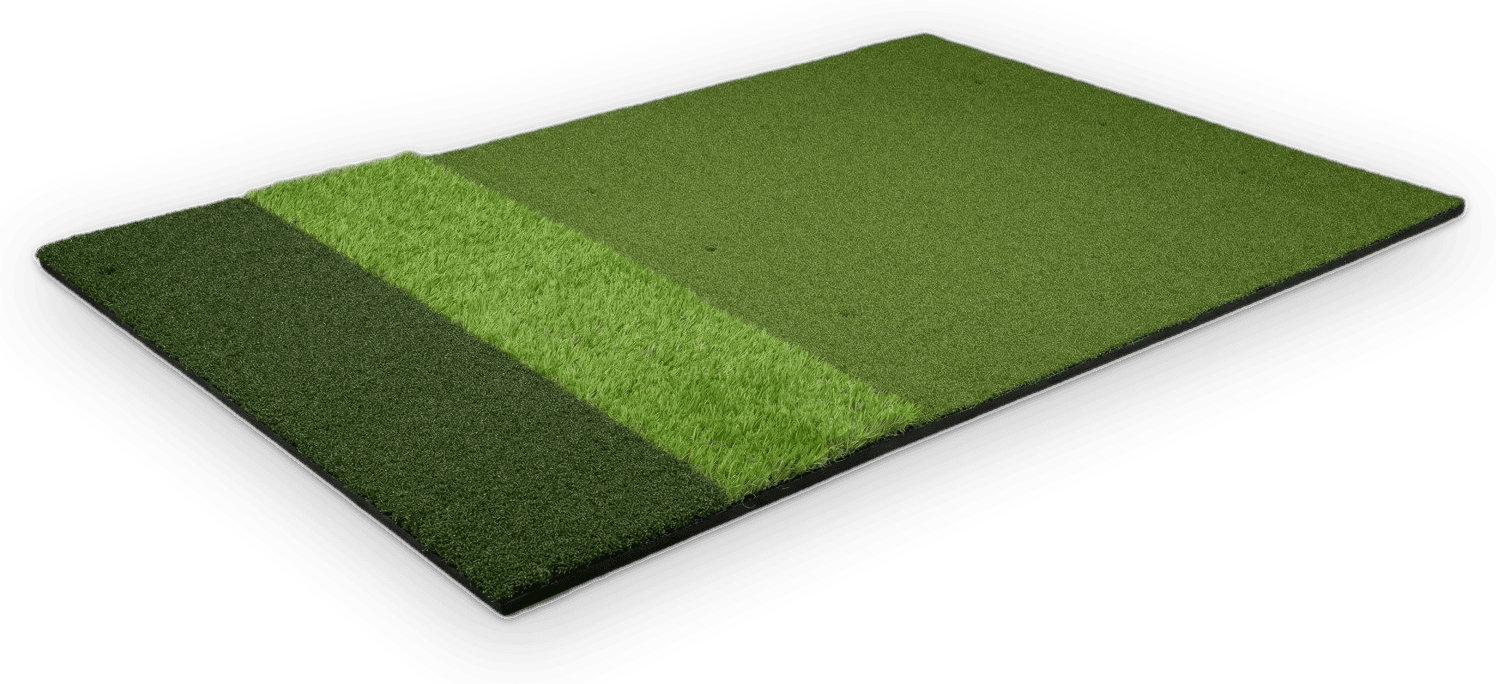
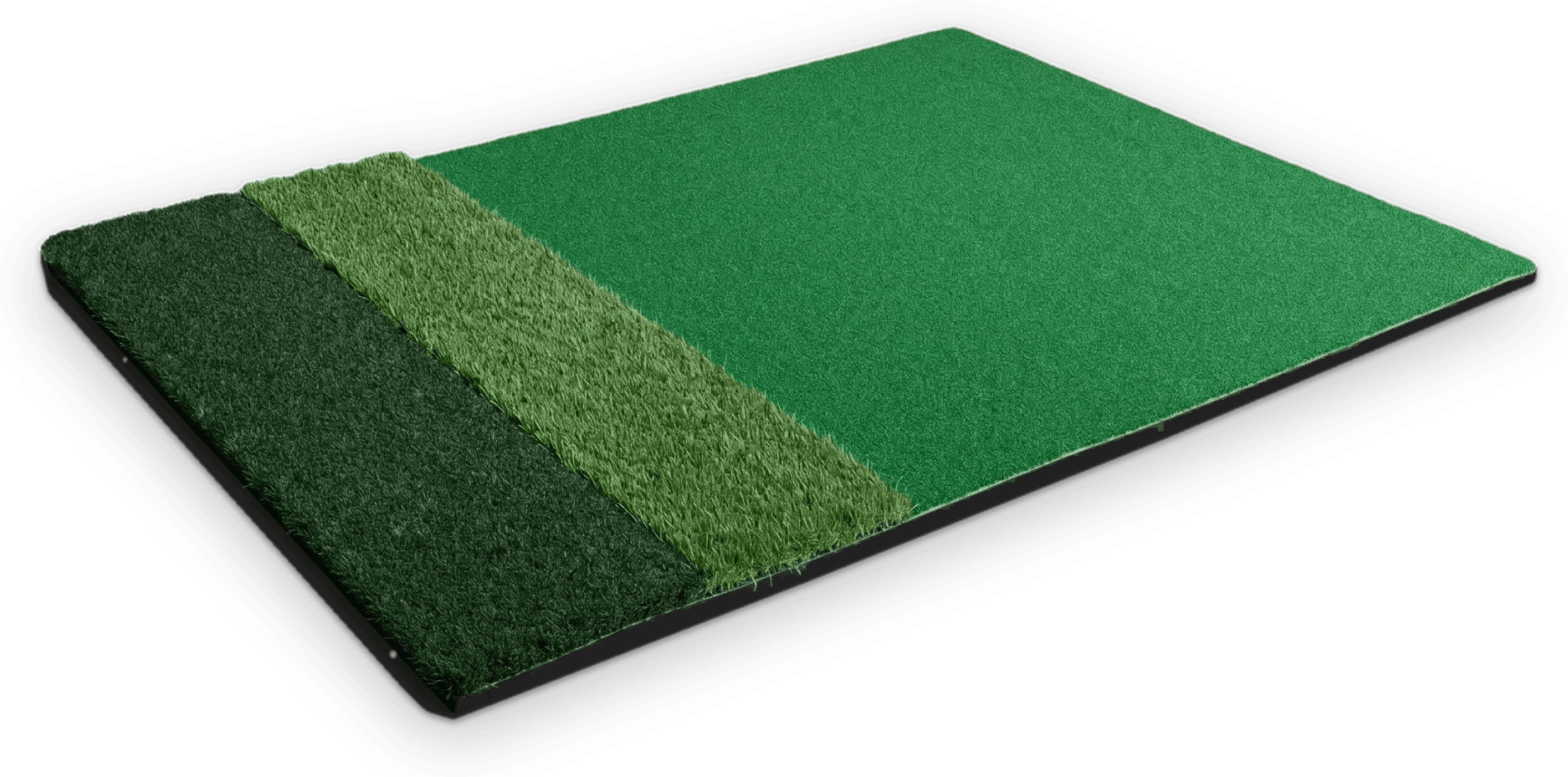
Mat to course: what carries over.
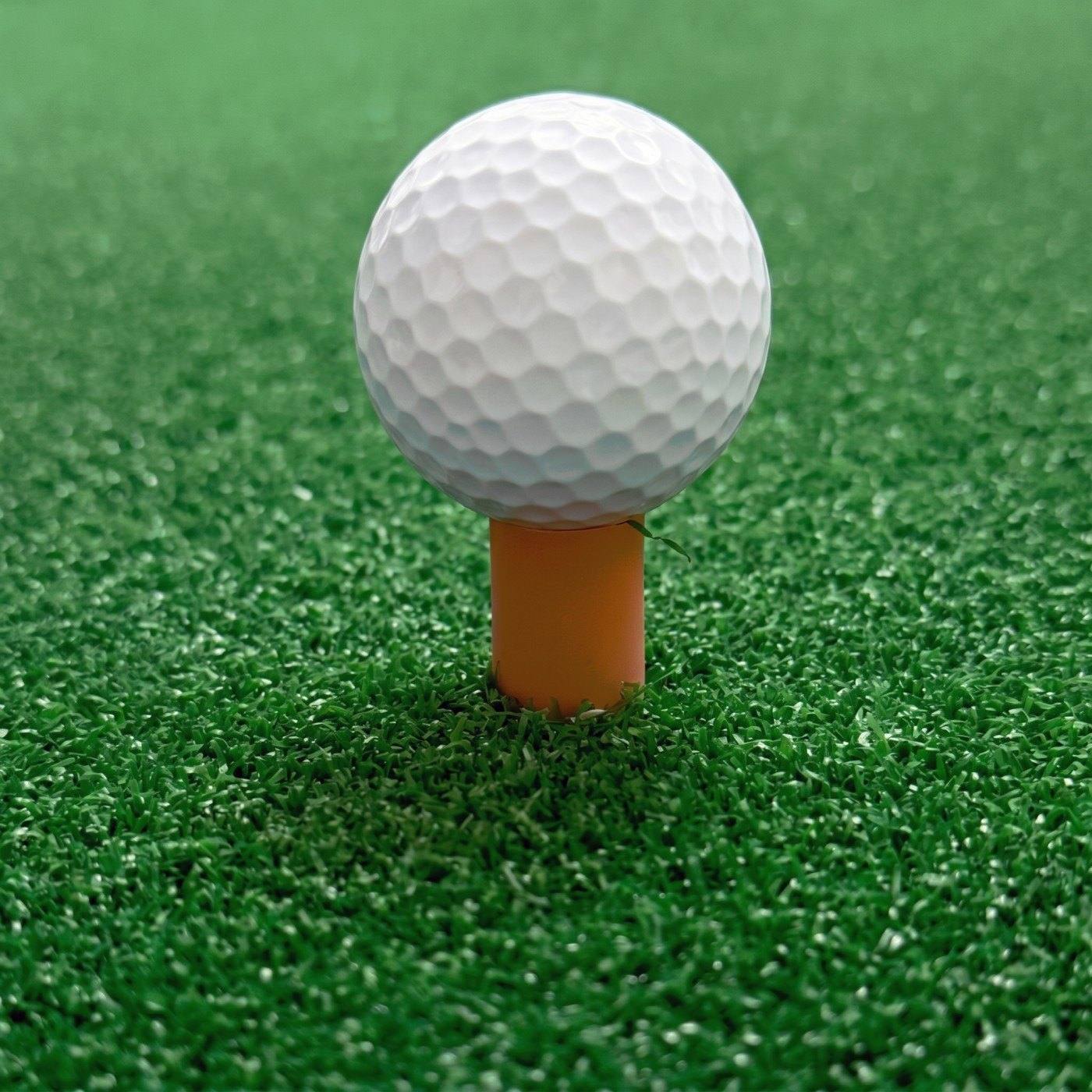
A hitting mat is not a golf course, and it does not need to be. Used well, it lets you hit more balls in a month than many golfers hit at the range all season. The key is knowing where a mat matches real turf, where it differs, and how to close the gap.
What a mat does well
- Reps. A 15-minute session at home takes 15 minutes. A range trip often takes an hour or more once you count the drive.
- Consistency. Every lie is the same, so when your ball flight changes, it is your swing and not the lie. That makes a mat a good place to work on one thing at a time.
- A steady surface for a launch monitor. A flat, even hitting surface is a good match for tracking your numbers from session to session.
Where a mat differs from grass
- Heavy shots can hide. On grass, hitting behind the ball digs the club into the ground and the shot comes up short. On a mat, the club can skid off the surface into the ball, so a heavy strike can feel and fly better than it would on the course. This is the big one.
- No divots. On grass, the divot tells you where the club bottomed out and which way it was traveling. A mat does not give you that.
- Flat lies only. Courses have slopes. A mat is flat.
- Uniform turf. Real rough changes with the grass type, the weather and how the ball settled.
How to practice so it transfers
- Train ball-first contact on purpose. Lay a towel 4 inches behind the ball. If you touch it, the strike was heavy, even if the shot looked fine.
- Use the shortest turf for irons. The tighter the lie, the more honest the feedback.
- Hit from the rough too. Longer turf teaches you to open the face a touch and expect less spin.
- Change targets often. On the course, every shot is different. Switch target and club every few balls.
- Check your work on grass. Use range sessions or a quiet early tee time to test what you built at home, especially slopes and the short game around the greens.
The short version
The mat builds the reps and the habits. The course is where you test them. Practice short and often at home, check in on grass now and then, and you get the most from both.